
Movement as Medicine
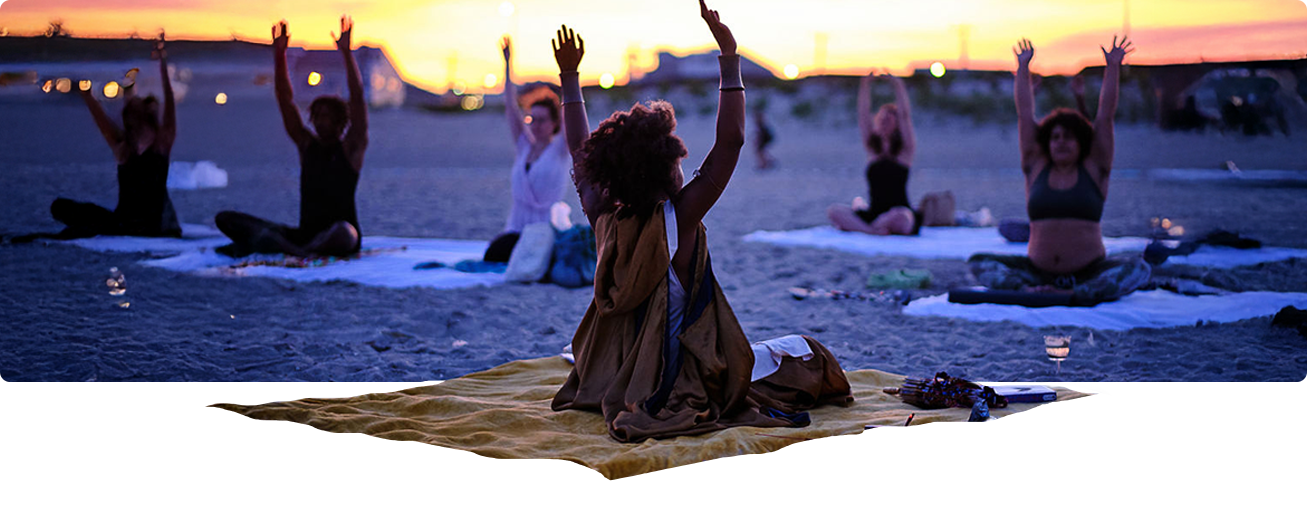
Your Body Has Been Holding Stories
Before we speak, before we write,
before we even think — the body feels.
It carries memory, tension, survival responses, joy, grief, intuition, and everything in between.
The journey may begin in the mind, but it may also begin in the muscles, the breath, or the spine.
Yoga — especially when practiced with awareness, presence, and ancestral reverence
— becomes a way to translate the body’s stories back into freedom.
Movement isn’t just physical.
Movement is medicine.
Movement is awakening.
Movement is the Divine Warrior returning home.
WHAT IS YOGA?
What Yoga Is — and What It Actually Does for the Mind, Body & Emotional Alignment
Yoga is often described as stretching, exercise, or flexibility training —
but these definitions barely scratch the surface.
At its core, yoga is a system of intentional movement and breathwork designed to create union:
between mind and body
between breath and awareness
between emotion and expression
between self and spirit
The word yoga itself means union — a return to wholeness.
For the Divine Warrior, yoga is not a fitness routine.
It is a process of remembering, a reclamation of your inner power, and a pathway back to your natural state of clarity.
Yoga teaches your body how to soften, your breath how to deepen, and your mind how to listen again.
It is a practice of integrating all the parts of you that life, stress, trauma, and survival mode have scattered.
Why the Divine Warrior Needs Movement
YOU are not defined by aggression or conflict.
You are defined by:
embodied presence
emotional clarity
conscious strength
inner peace in motion
alignment between energy and action
Yoga supports these qualities because it teaches the body and spirit how to move together again — instead of fighting for control.
When you move with intention, you:
regulate your nervous system
release suppressed emotions
improve stress resilience
reconnect with your intuition
rebuild trust with your own body
These are not luxuries.
They are requirements for anyone committed to honoring your crown with divine protection.
Movement as Emotional Alchemy
Every posture holds a purpose.
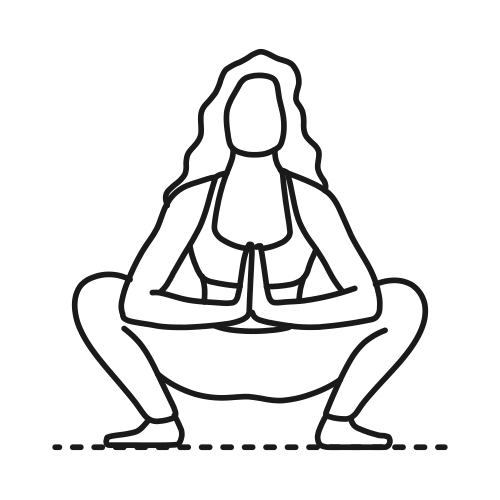
Hip openers release grief, anger, and frustration stored in the pelvis.
No wonder so many people cry in pigeon pose — it’s not dramatic, it’s healing.
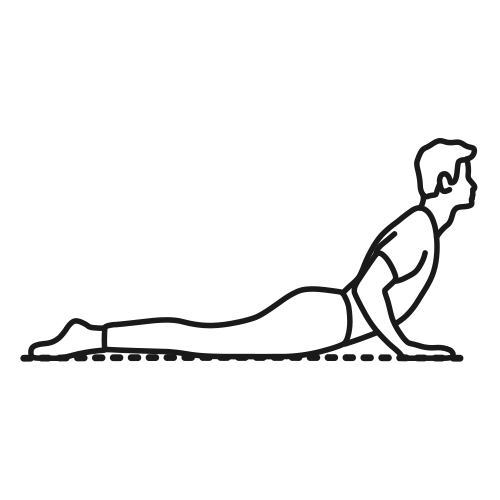
Heart openers awaken courage, confidence, and compassion.
They counter the instinct to collapse into self-protection.
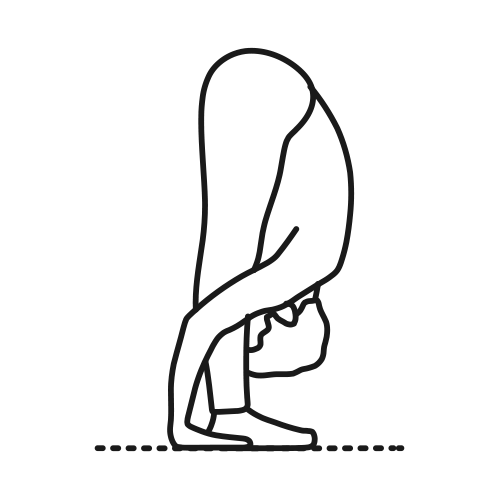
Forward folds soothe the nervous system and quiet mental noise.
They invite surrender, grounding, and humility.
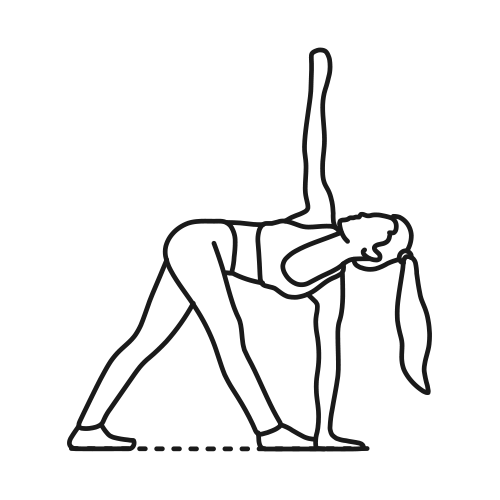
Twists wring out old stories and invite renewal.
Energetically, they help you “let go” so you can rise again.
Through yoga, you are not just stretching muscles — you’re reshaping your relationship with yourself.
How Movement Becomes Medicine in Practice
Here is a simple Divine Warrior sequence you can offer in classes or post on your blog/social pages:
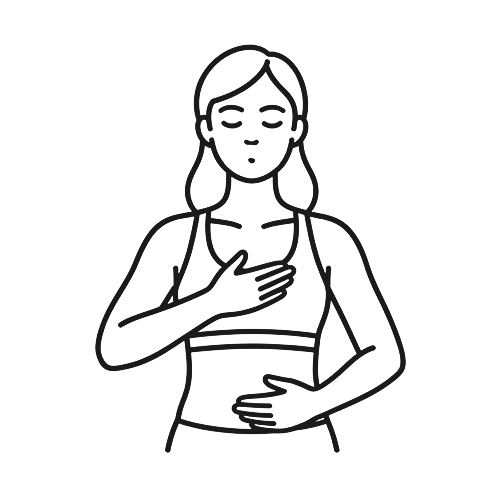
Grounding Breath — 1 minute
Inhale for 4, exhale for 6.
Signals the nervous system to release tension.
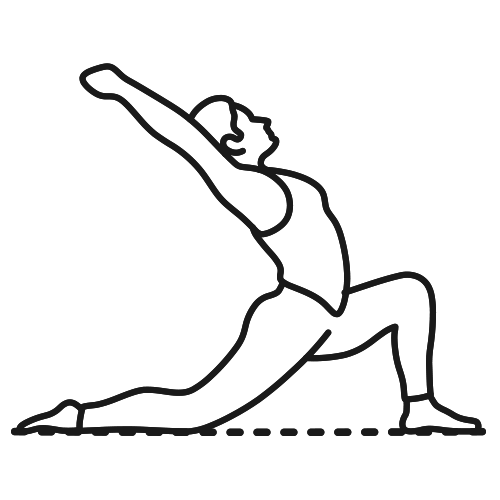
Sun Salutation — 3–5 rounds
Awakens fire, purpose, and personal power. The parasol’s solar symbolism pairs beautifully with this.
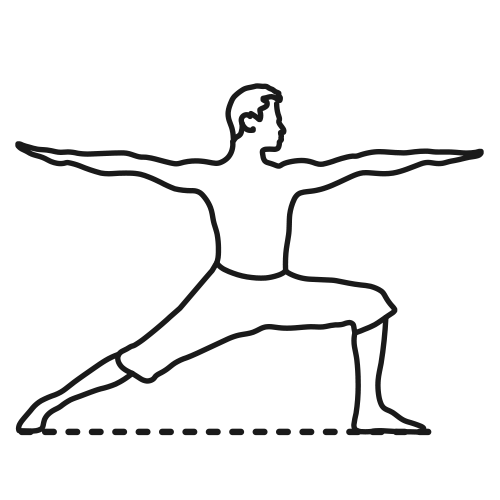
Warrior II Pose — 30 seconds per side
A posture of focus, stability, courage.
Perfect representation of your brand’s “Divine Warrior” archetype.
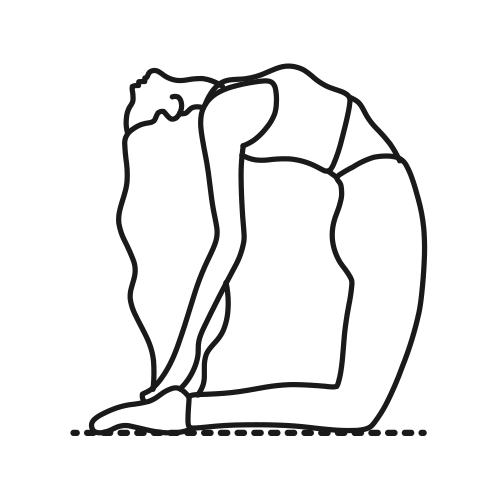
Heart Opener — Camel, Bridge, or Supported Fish
Invites vulnerability and emotional softness.
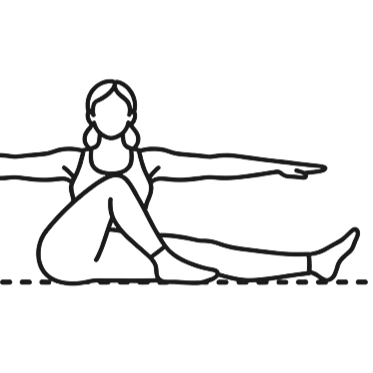
Twist — Supine Twist
Releases stagnant energy.
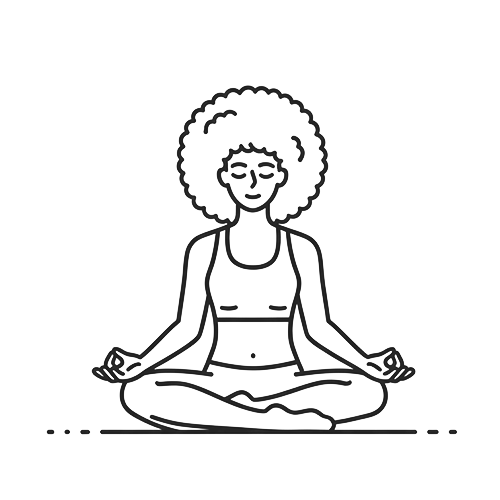
Closing Reflection — 1 minute
Ask: “How does my body want me to move today?” This encourages intuitive listening.
Why Yoga Is Essential for the Divine Warrior Path
-
When the nervous system is in survival mode, you cannot:
think clearly
make aligned decisions
access intuition
rest fully
stay rooted in your power
Yoga activates the parasympathetic nervous system and helps the body return to safety.
A regulated body = a protected crown. -
Divine Warriors must be aware of:
their internal state
their surroundings
their energetic boundaries
their emotional triggers
Yoga teaches you how to “feel yourself” again — something many people lose after trauma, hustle culture, or emotional disconnection.
When you breathe consciously, your body becomes your ally, not your battlefield.
-
Yoga is not about flexibility or fitness.
It’s about union — the integration of mind, body, breath, and spirit.The Divine Warrior doesn’t need brute strength.
They need:clarity
stamina
grounded confidence
inner balance
spiritual resilience
Yoga builds these qualities from the inside out.
-
Movement is one of the oldest healing languages passed down across cultures:
Kemetic Yoga from ancient Kemet (Egypt)
Qigong from China
Indigenous dance ceremonies
African embodied rituals
These practices were designed to reconnect the human being with their life force.
When you move in these lineages, you are not just exercising — you’re remembering.Your body becomes an archive of your ancestors’ strength, patience, and intuition.
The Parasol as a Movement Companion
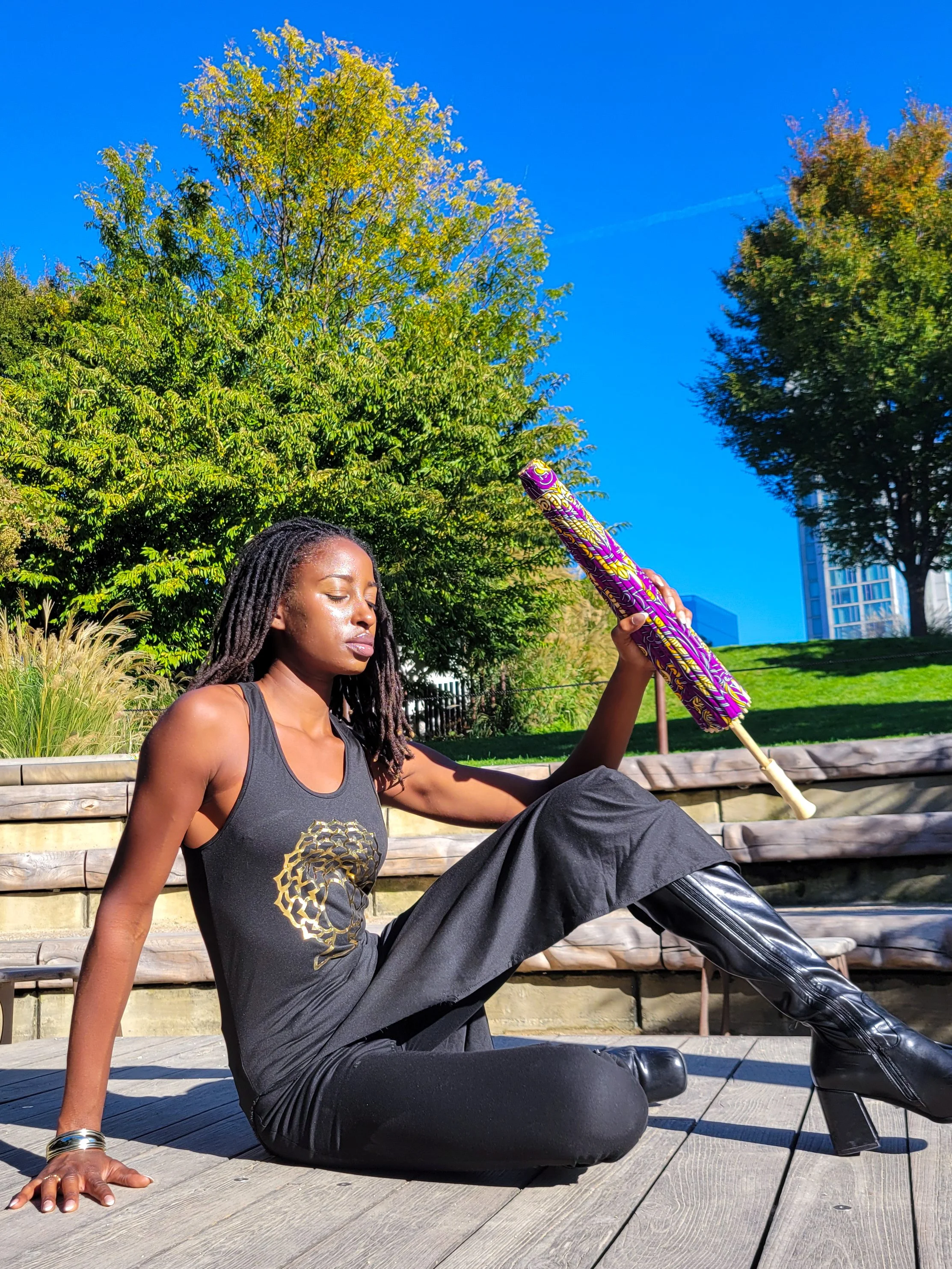
Your parasols are not just protection from the sun —
they’re a physical symbol of the Divine Warrior’s presence.
During yoga or any movement:
Keep your parasols with you as a reminder of your sacred boundary
Use it as a visual altar piece
Allow its color, pattern, and protection to influence your intention for the practice
Some practitioners choose different parasols for:
grounding
creativity
focus
healing
protection
This turns movement into ritual — and ritual into transformation.
Why Yoga Awakens the Divine Warrior Within
Because the Divine Warrior cannot exist only in the mind.
You must live in the body:
rooted
aligned
intentional
deeply aware
Yoga is the bridge between who you have been…
and who you are becoming.
Movement doesn’t just change how you feel —
it changes how you show up.
It cultivates peace you can carry, strength you can trust, and clarity that protects your crown in every step.
Your Body Is Your First Sanctuary
When you practice yoga as a Divine Warrior, you are declaring:
“My body is not a burden.
My emotions are not a threat.
My movement is a gift.”
Through breath, posture, and presence, you reclaim your inner space.
You return to yourself.
You rise — not aggressively, but intentionally.